Second interview questions: how to prepare for the hiring manager interview
The second interview is usually with the hiring manager, the person you would report to. Where the phone screen checks fit, this round tests how you would do the job: expect deeper questions on your experience, concrete examples with follow-ups, a scenario from the role and questions about how you work with a team.
How the hiring manager interview differs from the phone screen
The recruiter screen checks that you fit the basics. The hiring manager interview checks whether you can do the job, on their team. In practice, that changes three things:
- Depth. Expect follow-up questions on every example: why you made a decision, what went wrong, what you would do differently.
- The role itself. The manager will describe real situations from the job and ask how you would handle them.
- Working together. They are imagining you on their team: how you prioritize, take feedback, disagree, communicate.
It is also longer, often 45 to 60 minutes, and sometimes includes other team members.
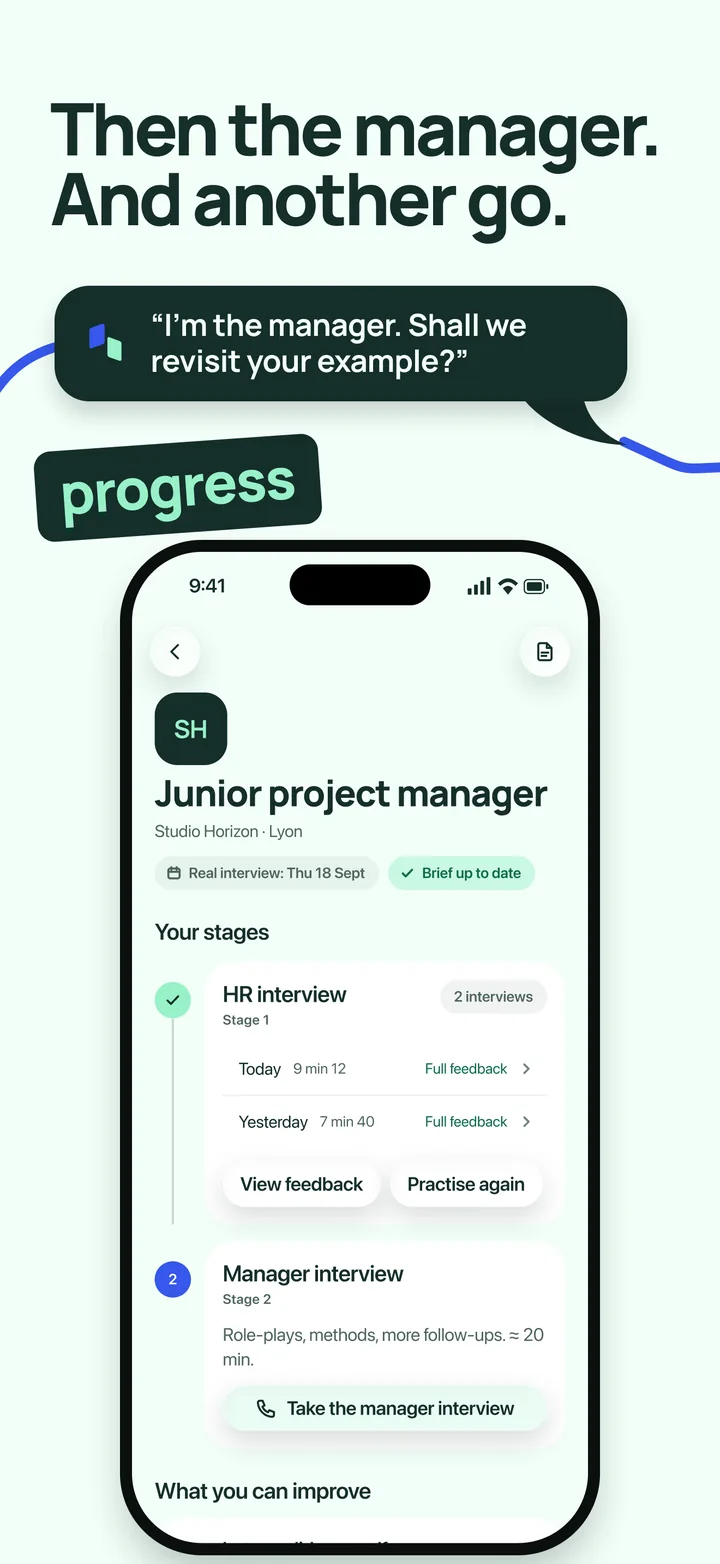
Common second interview questions
About the role
- "What would you focus on in your first 90 days?"
- "How would you approach [a task from the job description]?"
- "Here's a situation our team faced last month. What would you do?"
The manager is testing your judgment, not looking for the one right answer. Say how you would find out what matters, what you would do first, and why.
About your experience
- "Walk me through a project where you had to deliver under pressure."
- "Tell me about a time you made a mistake. What happened next?"
- "Tell me about a time you disagreed with a manager or a teammate."
Use a simple structure: the situation in one or two sentences, what you did, the result, and what you learned. The manager will interrupt with follow-ups, so know the details of every story you tell.
About how you work
- "How do you prioritize when everything is urgent?"
- "How do you like to receive feedback?"
- "What kind of manager brings out your best work?"
Answer with a real example rather than a principle. "I prioritize by impact" says little; "last quarter I had three deadlines in the same week, and here is how I chose" says a lot.
About your motivation
- "Why this team, specifically?"
- "What would make this job a success for you a year from now?"
This is where the research you did before the phone screen pays off. Connect what the team works on to what you want to do next.
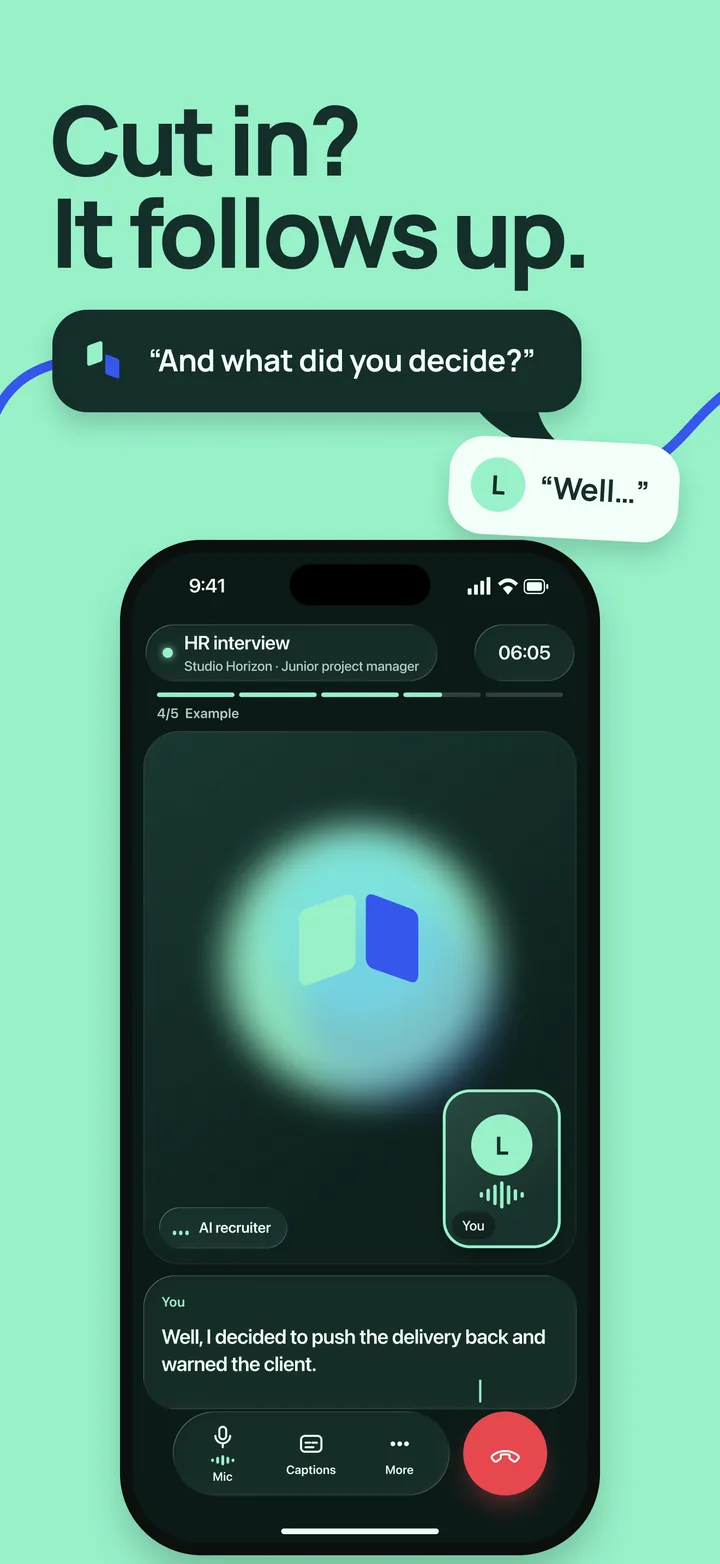
How to prepare for the hiring manager interview
- Map the job description to your stories. List the four or five most important requirements and pick one example for each.
- Stress-test each story. For every example, prepare answers to "why?", "what was hard?" and "what would you do differently?".
- Think through the first 90 days. You don't need a plan, just how you would learn the context and where you would start.
- Prepare questions for the manager (see below).
- Rehearse out loud, with interruptions. The real conversation won't let you finish every sentence.
Good questions to ask the hiring manager
- "What would success look like in this role after six months?"
- "What is the biggest challenge the team is facing right now?"
- "How do you like to work with the people on your team?"
- "What did the last person in this role do particularly well?"
- "What are the next steps in the process?"
Before the second interview, check the basics
If you haven't had the recruiter call yet, start with our guide to phone screen interview questions. And if you want to rehearse both rounds, here is how an AI mock interview works.
Frequently asked questions
How long is a second interview?
Often 45 to 60 minutes, sometimes longer when several team members take part or when there is a case exercise.
Is the second interview harder than the first?
It goes deeper. The hiring manager asks follow-up questions on your examples and tests how you would handle real situations from the role, so vague answers are easier to spot.
What should I bring to a hiring manager interview?
Your résumé, the job description with your matching examples noted next to each requirement, and the questions you want to ask the manager.
Should I send a thank-you note after the second interview?
A short message the same day is a good habit: thank them, mention one point from the conversation and confirm your interest in the role.